


When buyers purchase pre-owned commercial equipment—such as 3-phase dough mixers, walk-in compressors, combi ovens, or industrial CNC machinery—the single biggest hurdle is trust. Unlike new equipment backed by factory warranties, used machinery carries uncertainties regarding wear, electrical integrity, and mechanical reliability.
Dealerships that rely on vague descriptors like “good working condition” face higher return rates, price haggling, and customer disputes. Standardizing your equipment grading process turns technical transparency into a competitive sales advantage.
1. Why Standardized Condition Grading Matters
A standardized condition grading system establishes clear expectations between the dealer, consigner, and end buyer:
- Faster Purchase Decisions: Buyers can immediately identify the operational readiness of an asset without needing an on-site physical inspection.
- Accurate Pricing Models: Tiered grading allows dealers to systematically price items according to tested condition and cosmetic finish.
- Reduced Warranty & Return Claims: Transparent reporting of cosmetic blemishes or minor mechanical items eliminates post-delivery surprises.
2. The 5-Tier Commercial Equipment Grading Standard
EquipRoute recommends a standardized 5-tier grading framework tailored for commercial machinery:
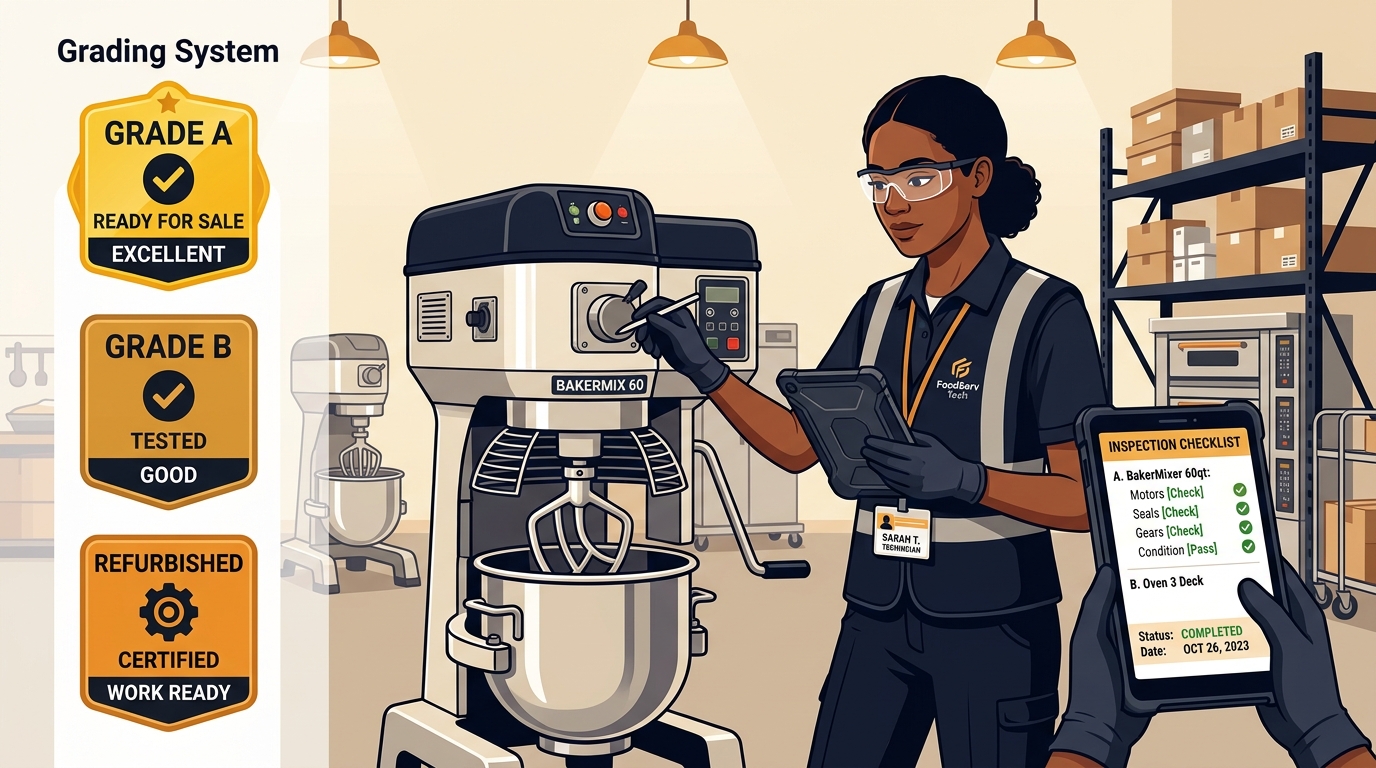
- Grade A (Like-New / Certified): Unit has minimal cosmetic wear, original OEM components, passes all electrical/load diagnostics, and is ready for immediate deployment.
- Grade B (Tested & Fully Operational): Shows normal operational wear (minor surface scratches or scuffs), all mechanical motors, compressors, and heating elements tested 100% functional.
- Grade C (Fair / Working Condition): Fully operational core mechanisms with noticeable cosmetic wear, minor denting, or non-critical cosmetic component replacements needed.
- Refurbished / Serviced: Equipment professionally cleaned, overhauled with new bearings, seals, thermostats, or belts, and certified under bench testing.
- As-Is / Parts & Repair: Non-tested or non-operational gear sold strictly for rebuilds, scrap, or salvage parts.
“Introducing standard condition badges on our online listings increased our average conversion rate by 28% and cut post-sale inquiries in half.”
3. Digital Inspection Checklists on the Warehouse Floor
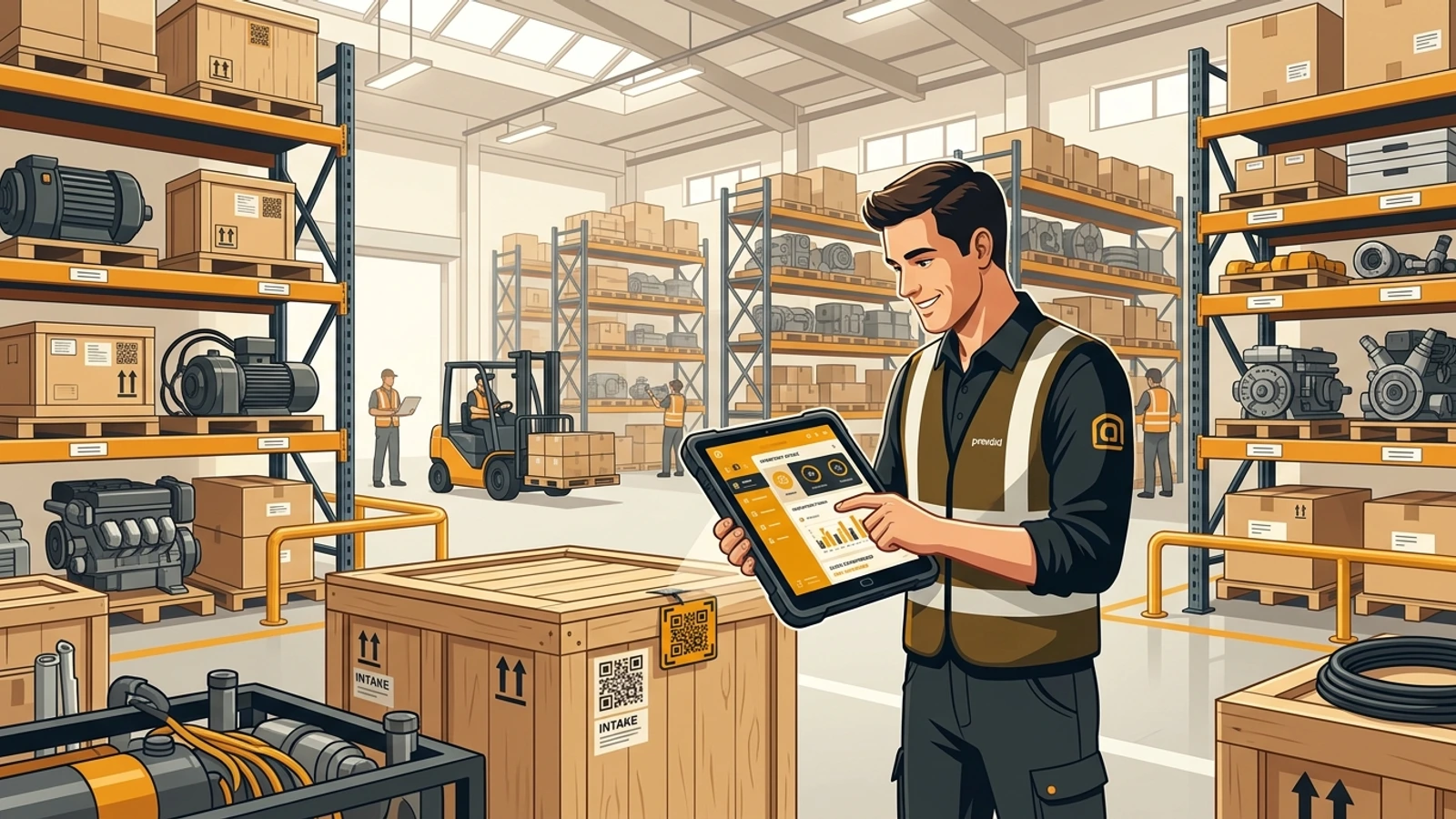
EquipRoute’s mobile intake app provides technicians with customized inspection checklists based on equipment categories:
- Refrigeration & Cooling: Log pull-down temperatures, compressor amp draw, fan operation, door gasket seals, and refrigerant coil cleanliness.
- Cooking & Bakery: Test heating elements, gas valve integrity, thermostat calibration, pilot lights, safety cutoffs, and planetary gear speeds.
- Industrial & Electrical: Measure voltage phase balance, emergency stop switches, spindle runout, and hydraulic pressure tolerances.
Technicians check off each point on mobile tablets, and the results automatically generate an embeddable Inspection Certificate that attaches directly to the item’s public online listing.
4. Building Buyer Trust Through Transparent Disclosures
Displaying high-resolution photos of both the overall machine and specific wear areas—alongside the completed technical inspection sheet—gives buyers total confidence to bid and buy online.
By implementing standardized diagnostic grading and mobile inspection workflows, your dealership establishes an industry-leading reputation for quality and reliability.
Asked Questions
Frequently Asked Questions
Our FAQ covers key operational insights regarding this topic.
Machinery grading is the standardized inspection and classification of used equipment across cosmetic condition, mechanical functionality, component wear, and electrical testing. Transparent grading builds buyer confidence, justifies higher reserve pricing, and significantly reduces post-sale return disputes.
EquipRoute does not enforce a fixed five-tier condition grading system. Dealerships can record condition details using inventory fields and tenant-defined custom fields, such as condition, grade, notes, and listing information. This allows each dealership to use terminology appropriate to its equipment categories.
Technicians should record the checks appropriate to the equipment category and dealership workflow, including operational tests, safety checks, electrical or mechanical measurements, visible defects, and service notes. EquipRoute stores these details with the inventory item so they can support warehouse handling, review, and listing preparation.
Consistent condition fields, notes, images, and listing descriptions give buyers clearer information about an item before purchase. EquipRoute can publish inventory to connected listing platforms, helping dealerships keep item details and listing status organized. The system does not guarantee a specific conversion increase or reduction in returns.
Yes. EquipRoute supports mobile QR scanning, packaging, pickup and delivery workflows, handoff proof, and recording inspection details with fields, notes, images, and custom fields.